Callme Script: The Handwritten Font for Modern Branding
There’s a certain kind of design project that demands more than just a standard typeface. It needs a touch of personality, a dash of warmth, and a human feel that can’t be replicated by geometric shapes or rigid serifs. For those moments—whether you’re designing a logo for a new boutique, crafting the perfect wedding invitation, or creating social media graphics that feel personal and engaging—the right script font can be your most powerful tool. This is where a font like Callme Script enters the conversation, offering a smooth, handwritten style that bridges the gap between professional polish and authentic charm.
Understanding the Visual Appeal of a Modern Script
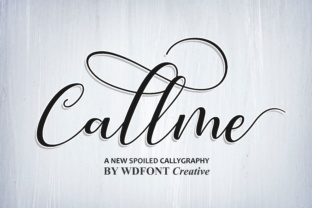
At its core, Callme Script is a premium font designed to emulate the fluidity and elegance of natural handwriting. Unlike overly ornate or hard-to-read calligraphy, its strength lies in its balanced letterforms and smooth connections. The strokes have a consistent weight that feels confident yet approachable, avoiding the common pitfall of script fonts that look either too formal or too casual. This makes it an incredibly versatile display font. It carries an inherent sense of craftsmanship and attention to detail, which is precisely what makes it so effective for branding and packaging design. When a customer sees this typeface on a product label or a website header, it communicates care, creativity, and a personal touch before they even read the words.
Where This Font Truly Shines: Practical Applications
The real value of any design asset is in its application. A font like Callme Script isn’t just a pretty face; it’s a workhorse for specific creative needs. Here’s where designers and business owners can put it to effective use:
- Brand Identity & Logo Design: For brands in the lifestyle, fashion, beauty, artisanal food, or wellness spaces, a script font can form the core of a memorable logo. It instantly sets a tone of elegance, intimacy, or artisanal quality. Think of the logo for a high-end bakery, a boutique florist, or a personalized jewelry line—the handwritten style is fundamental to their brand story.
- Packaging Design: On product packaging, typography does more than list ingredients; it sells an experience. Callme Script can highlight a product’s name or key feature, making it stand out on a shelf. It’s perfect for labels on candles, cosmetics, gourmet goods, and craft beverages, where the visual presentation is part of the product’s premium value.
- Social Media & Digital Marketing: In a feed dominated by clean sans-serif fonts, a stylish script can stop the scroll. Use it for impactful quotes, promotional sale announcements, or the name of a new blog post as a text overlay on an image. It adds a layer of sophistication and visual interest that boosts engagement.
- Print & Editorial Layouts: For invitations, greeting cards, magazine headlines, or book chapter titles, this font adds a personal, elegant touch. It’s ideal for any print material aiming for a boutique or handcrafted feel, from wedding stationery to restaurant menus.
- Web Design & Blogs: While not for body text, a script font is excellent for website headers, pull quotes, and decorative elements. A blog focusing on travel, food, or DIY crafts can use it to create a cohesive and inviting visual experience that reflects its content’s personality.
- Merchandise & Digital Products: From t-shirt designs and tote bags to digital planners and e-book covers, Callme Script can add that sought-after handwritten flair. It works beautifully on merchandise where a personal message or artistic expression is key.
Integrating a Font Like Callme Script Into Your Workflow
Choosing a creative font is the first step. The next—and more critical—step is using it effectively to enhance your project’s goals, not distract from them. Here’s some practical advice for integrating a script typeface into your designs.
Pairing is Everything. A script font should rarely stand alone for large blocks of text. Its power is in contrast. The most professional-looking designs pair a script font with a clean, neutral companion. Try matching Callme Script with a simple sans-serif font like Montserrat or Lato for body copy, or a classic serif like Garamond for a more traditional feel. The script font draws the eye to key headlines or names, while the complementary font ensures the main content remains highly readable.
Context Dictates Choice. Always ask: what is the project’s goal? A script font for a children’s party invitation should feel playful and energetic. One for a law firm’s logo would be inappropriate. Callme Script’s smooth, modern style sits in a sweet spot—it’s elegant enough for upscale branding but friendly enough for approachable creative businesses. Always test it in context. Place a mockup of your logo on a business card, or see how your social media graphic looks on a phone screen.
Mind the Details. Check what’s included with your font purchase. A quality script font often comes with alternates—different stylistic versions of certain letters (like ‘b’, ‘o’, or ‘r’) that you can swap in to avoid repetitive looks and create a more authentic handwritten flow. Some also include ligatures (special combined characters like ‘th’ or ‘st’) that enhance the natural feel. Taking the time to use these features elevates your design from good to great.
Readability is Non-Negotiable. This is the most important rule. No matter how beautiful a font is, if your audience struggles to read your message, the design fails. Use script fonts for short, impactful text—logos, titles, headers, and short phrases. Avoid it entirely for paragraphs, detailed instructions, or critical information like contact details or pricing. Always step back and look at your design from a viewer’s perspective. Is the key information instantly clear?
A Final Note on Licensing and Professional Use
When you find a font you love, it’s crucial to understand its licensing. Most premium fonts, including many high-quality script typefaces, are available for commercial use, but the terms can vary. Some licenses cover personal and commercial projects, while others have tiers based on the number of users or the scale of distribution (e.g., for large corporations or merchandise sold in high volumes). Always review the license agreement before using a font in a client project or for sale. Respecting the designer’s work by using a properly licensed font is a hallmark of a professional and ensures you avoid legal issues down the road. It’s a small but vital part of building a reputable brand or design practice.
Ultimately, a font like Callme Script is more than just a set of letters. It’s a design asset that carries mood and meaning. When chosen thoughtfully and applied with an understanding of its strengths, it can become a defining element of your visual communication, helping to create brands and projects that feel both professionally crafted and genuinely human.